Refill Smarter at Home: Clean, Store, and Label with Confidence
Today we explore safe refilling at home, focusing on sanitation, storage, and labeling practices for common essentials such as soaps, cleaners, pantry staples, and personal care products. You will learn practical steps that prevent contamination, extend shelf life, avoid mix-ups, and build calm, repeatable routines. From setting up a clean workstation to choosing the right containers and designing readable labels, these methods help your household reduce waste without risking safety, quality, or convenience, so every refill feels effortless and reliable.


Why Clean Refilling Matters
Refilling brings real advantages, yet it also concentrates attention on hygiene because small oversights can accumulate across many cycles. Safe routines reduce microbial growth, chemical degradation, and accidental exposure, especially when multiple people share supplies. Understanding these risks transforms refilling from a guess into a confident practice, protecting health, saving money, and maintaining consistent product performance that matches your expectations every time.
Setting Up a Hygienic Refilling Space
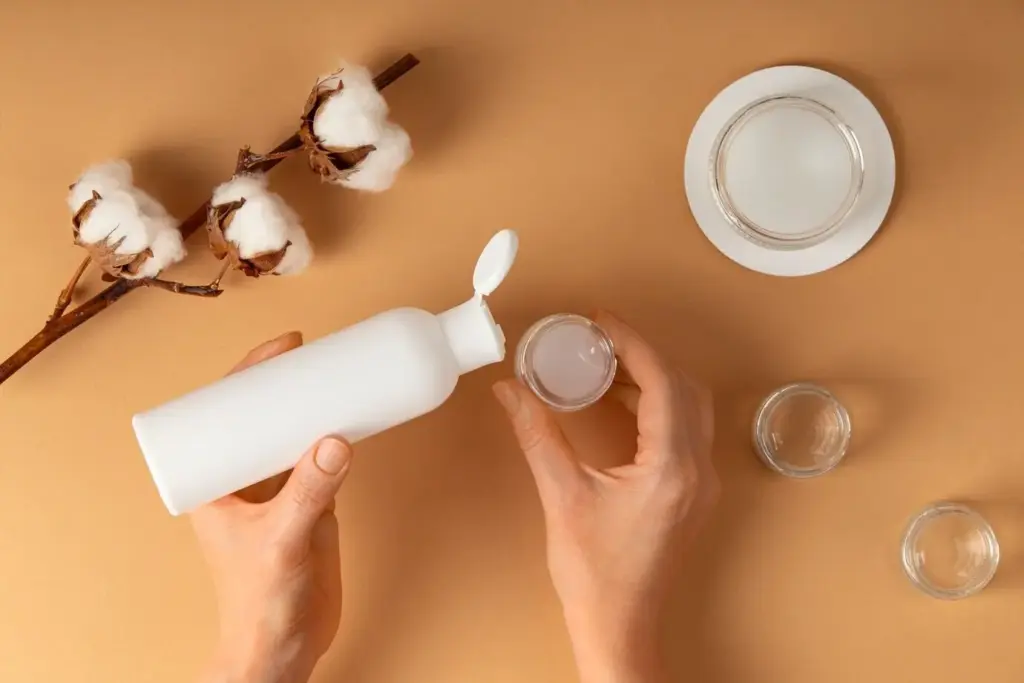
A purpose-driven refilling corner turns a messy task into a smooth process. Thoughtful layout, easy-to-clean surfaces, and dedicated tools minimize spills and contact points. Good lighting, reachable storage, and clear signage help every participant follow the same steps. With a tidy workflow from cleaning to labeling, you turn sporadic chores into a streamlined ritual that supports consistent quality and fewer mistakes across months of refills.
Cleaning and Sanitizing Workflow
Soil Removal Comes First
Detergents work best when visible residues are fully removed. Use warm water and a suitable cleaner to lift oils and films, paying attention to pump threads and bottle shoulders where grime hides. Rinse until water runs clear. Skipping this step undermines sanitizers, since organic matter shields microbes and reduces their effectiveness, resulting in a deceptively clean appearance that fails under real household conditions.
Choosing Effective Sanitizers
Select a product compatible with your container material and intended use, then follow the label for contact time and rinsing guidance. Heat-based methods suit many glass and metal items, while chemical options may be better for plastics. Avoid mixing chemicals and always ventilate the area. A consistent sanitizer choice builds repeatability, lowers risks, and keeps fragrances and textures true to expectations.
Rinse, Dry, and No-Touch Transfers
After sanitizing, rinse when required and allow complete air-drying on a clean rack. Trapped moisture dilutes concentrates and invites growth. When transferring, avoid touching interior surfaces, and use a clean funnel to guide flow. Cap immediately with sanitized closures. This sequence preserves the gains from earlier steps, so your carefully cleaned container does not lose protection during the final moments of refilling.
Containers, Materials, and Compatibility
Glass, PET, HDPE, and Stainless
Glass offers superior neutrality and easy heat treatment but demands careful handling. PET is lightweight and clear, yet sensitive to high heat and some solvents. HDPE resists many chemicals and is durable for everyday cleaners. Stainless steel excels for beverages and soaps, resisting odors and stains. Match material strengths to product properties to keep refills safe, stable, and pleasant throughout repeated use.
When to Retire a Container
Retire containers showing cracks, crazing, cloudiness, persistent odors, or a rough interior feel that indicates micro-scratches. Compromised surfaces hold residues and resist cleaning. Pumps that sputter or leak also need replacement to prevent contamination or waste. Keep a simple log of reuse cycles and inspection notes, making retirement a routine decision rather than a guess made only after a visible failure.
Caps, Pumps, and Gaskets
Closures contact the product every day, so their condition is crucial. Sanitize caps and pumps, inspect gaskets for deformation, and lubricate only with food-safe or product-compatible materials when recommended. Replace warped or discolored parts immediately. Well-maintained closures protect against air, accidental dilution, and drips, preserving the formula and ensuring every press or pour delivers consistent results without unexpected splashes.
Safe Storage That Protects Quality
Storage is as important as cleaning because temperature, light, and oxygen influence stability. Keep products in appropriate zones, away from heat sources, and shielded from sunlight that can degrade fragrances and active ingredients. Use sturdy shelves, secondary containment for liquids, and child-safe placement. Establish rotation habits that prevent forgotten containers from aging silently at the back of cabinets or closets.

Light, Heat, and Oxygen
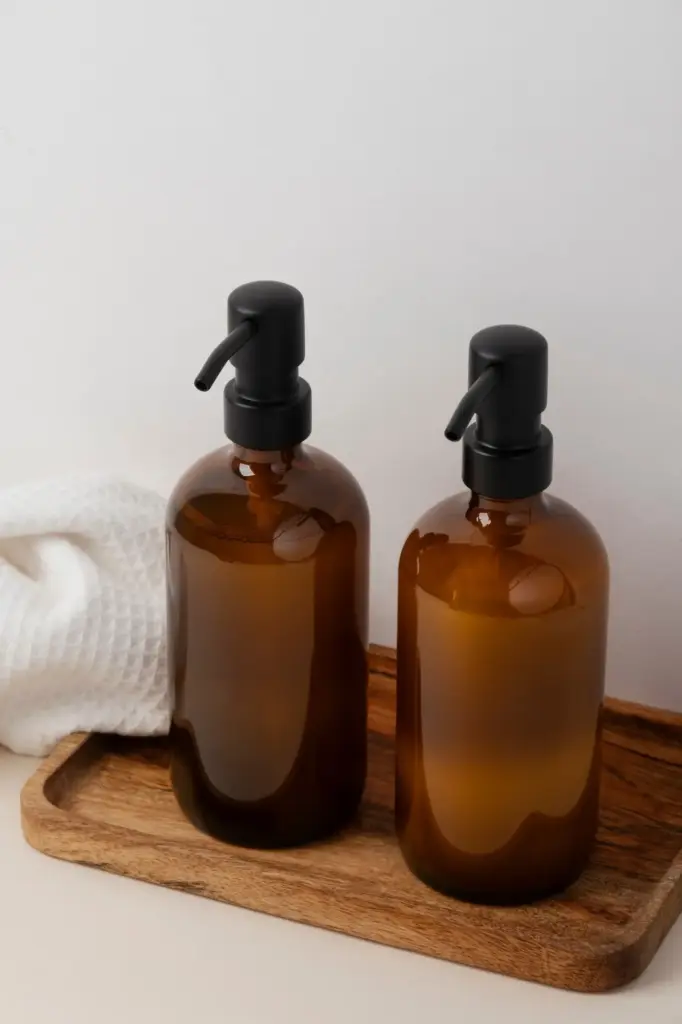
Many compounds break down faster under heat and UV exposure. Protect containers in cool, dim spaces, and close lids promptly to reduce oxygen ingress that alters colors, scents, and performance. For light-sensitive items, choose amber glass or opaque bottles. These protective steps are simple yet powerful, maintaining quality across weeks and supporting consistent experiences without costly surprises or disappointing results.

Time Limits and Rotation
Date every refill and set a reasonable use-by timeframe based on product guidance and your household’s consumption rate. Practice first in, first out to keep older refills moving. Regularly review shelves to catch forgotten items. This rhythm prevents waste, preserves potency, and gives you early signals when a product’s look, smell, or behavior suggests it should be retired rather than reworked.
Labeling That Prevents Mistakes
Clear labels are your household safety net. Include product name, dilution ratio when applicable, fill date, expiration or review date, handling cautions, and contact details for refills. Choose waterproof markers or printed labels that resist smearing. Use consistent formatting so anyone can understand at a glance, especially in busy moments when hurried decisions can cause accidental mix-ups or unsafe combinations.


Stories, Missteps, and Practical Wins
Real-life experiences highlight how small details change outcomes. Mislabeling can lead to sticky countertops or irritated skin, while careful routines reward you with consistent textures and scents. Hearing how others solved similar problems makes improvements feel achievable. These stories offer relatable shortcuts, reminders to slow down, and encouragement to keep refining the process without adding unnecessary complexity or cost.

Engage, Share, and Keep Learning
Sustainable safety grows when households connect. Share your setup, ask neighbors about their favorite containers, and compare label templates. Encourage family members to suggest improvements and celebrate small wins, like a month without spills or a flawlessly organized shelf. Engagement builds accountability and creativity, ensuring your refilling practice evolves as products, seasons, and routines change over time.